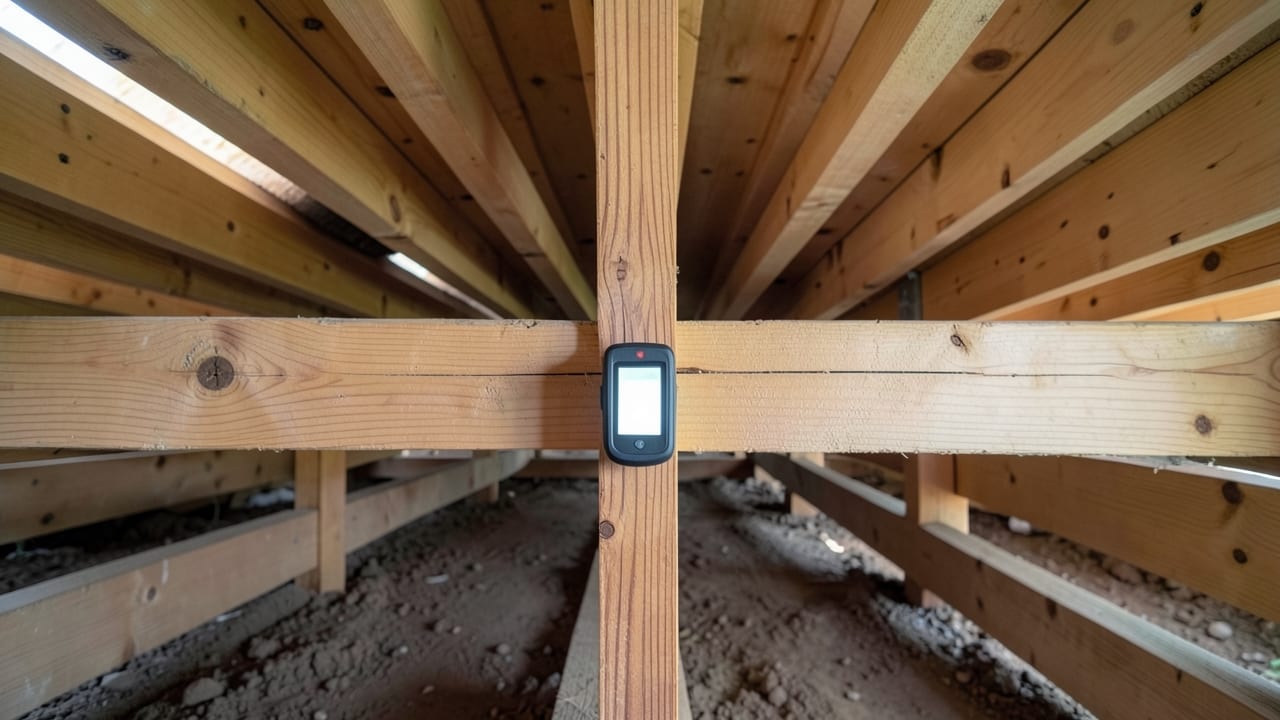
Spring Mold Inspection
Professional assessment and identification of mold growth in homes.
Spring mold inspection involves a thorough visual and technical assessment of a property to identify mold growth, moisture sources, and potential damage. Trained professionals examine walls, ceilings, basements, and other prone areas in Belleair Bluffs, FL to determine the extent of contamination.
What spring mold inspection actually involves, step by step
Visual and moisture inspection. A trained inspector walks the property looking for visible growth, staining, and musty odor, then uses a moisture meter and, where available, thermal imaging to find damp wall cavities, subfloors, and roof lines that visible signs alone would miss. Every affected room is mapped before any sample is taken.
We also handle Crawl Space & Basement Mold Remediation and Attic Mold Remediation for Belleair Bluffs properties.
Air and surface sampling. Where the source isn't obvious from the walkthrough, spore-trap air samples and surface swabs are collected from suspect areas plus one unaffected room used as a control, so lab results can be compared against a normal baseline instead of judged in isolation.
Independent lab analysis. Samples go to a third-party accredited laboratory rather than being read in-house, so the species count and spore concentration reported back are not influenced by whoever collected them. Turnaround is typically two to five business days depending on the lab.
Moisture source diagnosis. The inspector traces the moisture back to its origin — roof flashing, a plumbing leak, poor grading, or condensation — because a spore count without a moisture source is only half the picture and leaves the property owner unable to prevent the problem from returning.
Written scope report. The findings become a written report describing which materials are affected, the likely moisture source, and the square footage involved — the document a remediation contractor uses to price the job and, in states that regulate the sequence, the document the law requires to exist before remediation starts.
How to tell spring mold inspection is needed
Most calls for a mold assessment start with something the property owner noticed rather than a scheduled checkup, and the signs worth paying attention to are all things anyone can notice without special equipment. A persistent musty or earthy smell in a closet, bathroom, or crawl space — one that doesn't go away with normal airing out — is one of the most common triggers, since mold is very often smelled before it's ever seen. Visible spotting in black, green, brown, or dark speckles on drywall, grout, window frames, or the underside of carpet is the most direct sign, though the color alone doesn't identify the species; that's what the lab work in an assessment is actually for. A past leak or flood that got mopped up and dried on the surface, but was never professionally checked underneath, is a common blind spot, and symptoms — sneezing, headaches, itchy eyes — that consistently ease when a specific room is avoided are worth treating as a pattern rather than a coincidence.
What goes wrong when spring mold inspection is done badly
Cross-contamination while sampling. Using the same swab or tool across multiple rooms, or walking through an affected area and then an unaffected one without changing protective gear, can carry spores into the control room being used as a clean-air baseline — which throws off the comparison the whole sampling plan depends on.
Testing without a moisture diagnosis. A sample count alone, without identifying where the moisture causing the growth is coming from, tells a property owner how much mold is present but nothing about whether it's about to come back — the two pieces of information answer different questions and neither substitutes for the other.
What keeps the problem from coming back
None of this replaces a professional check when something's already showing up, but a few habits change how often a follow-up assessment finds anything new. Indoor humidity is the biggest lever: keeping it under 50%, checked with an inexpensive hygrometer, especially in a basement or bathroom, removes the condition mold needs to establish itself in the first place. Fixing small leaks — a slow drip under a sink, a sweating pipe, a minor roof leak — within days rather than weeks makes a bigger difference than almost anything else, since it's rarely the size of a leak that determines whether it becomes a mold problem, it's how long it sits.
Running the bathroom exhaust fan for twenty to thirty minutes after a shower, instead of switching it off the moment the water stops, clears the humidity spike that otherwise settles into grout and drywall. And a quick seasonal look through a crawl space or basement with a flashlight catches a developing problem early, while it's still small enough to address without a full remediation.
What FL law actually requires
Florida licenses two separate mold roles through the Department of Business and Professional Regulation — mold assessor and mold remediator — under Chapter 468, Part XVI of the Florida Statutes. 8419) prohibits the same company from performing both the assessment and the remediation on the same property within a 12-month period, so the entity that identifies the problem cannot also be the one paid to fix it. The rule exists specifically to prevent a conflict of interest between diagnosing a mold problem and profiting from its removal.
(Florida DBPR — Fla. Stat.
What spring mold inspection costs
For a professional mold inspection in Belleair Bluffs, pricing typically lands between $250 and $350 for the job. That is the going estimate for a walkthrough visual inspection, before any remediation work is scoped. This is general market pricing information for this kind of job, not an offer or a quote — what any particular job costs in the end depends on its scope, site conditions, and the provider selected.
This range is a starting point, not a substitute for an actual quote — comparing a couple of local providers is the most direct way to see where a specific job actually lands. Source: Angi, 2026.
How to choose who does spring mold inspection
Does the estimate include inspection, testing, remediation, and clearance testing, or just part of it? Containment and clearance testing are often priced separately; a low number that excludes them isn't comparable to a full quote. Is a written scope of work provided before any work starts? A scope in writing protects against price creep once demolition begins. Does the estimate specify the square footage or area being treated? Vague area estimates make it hard to compare bids apples-to-apples. Will a third-party lab test verify the mold species and confirm clearance after the work? Some remediation methods skip independent testing, leaving no confirmation the job actually worked. What happens if hidden mold is found once walls are opened? Change-order pricing after demolition begins is a common source of disputes. Has the state's contractor licensing requirement for mold work been checked directly with the state board? Mold remediation licensing rules vary by state, and some states have none, so it is worth confirming directly rather than taking a company's word for it. Does the quote separate remediation, removing existing growth, from prevention, fixing the moisture source? Remediation without fixing the moisture source often means the growth returns.
A verbal price with no written, itemized scope. Without an itemized scope, there is no way to compare what is actually included between bids, or point back to what was promised if something is left out. A bid dramatically lower than every other estimate for the same square footage. Work done without proper containment or clearance testing can look cheaper up front and cost more later if the contamination is not fully resolved. Full payment requested before any work has started. Paying in full upfront removes leverage if the job is not completed as scoped. No mention of post-remediation clearance testing anywhere in the quote. Without a test confirming the space is clear afterward, there is no independent way to know the remediation actually worked. Pressure to sign the contract during the same visit as the inspection. A legitimate scope of work takes time to write accurately; rushing the signature skips the chance to compare bids.
Where spring mold inspection is covered
Spring Mold Inspection is covered across the Belleair Bluffs area, including Largo, FL · Belleair, FL · Clearwater, FL · Belleair Beach, FL · Harbor Bluffs, FL · Belleair Shore, FL · Ridgecrest, FL · Indian Rocks Beach, FL · Indian Shores, FL · Seminole, FL · Bardmoor, FL · Redington Shores, FL · South Highpoint, FL · North Redington Beach, FL · Dunedin, FL · Greenbriar, FL · Bay Pines, FL · Redington Beach, FL · Pinellas Park, FL · Feather Sound, FL · West Lealman, FL · Madeira Beach, FL · Safety Harbor, FL · Kenneth City, FL · Lealman, FL · Treasure Island, FL · Palm Harbor, FL · Bear Creek, FL · South Pasadena, FL · Oldsmar, FL.
For spring mold inspection in the Belleair Bluffs area, request a quote — coverage and pricing work the same across every town listed above.
See Redington Shores, FL for more, or take a look at the rest of our Belleair Bluffs lineup on a single page for our complete lineup.
Ready to get started?
Talk to a local mold remediation pro in Belleair Bluffs — get a written quote.
Other Mold Remediation Services in Belleair Bluffs
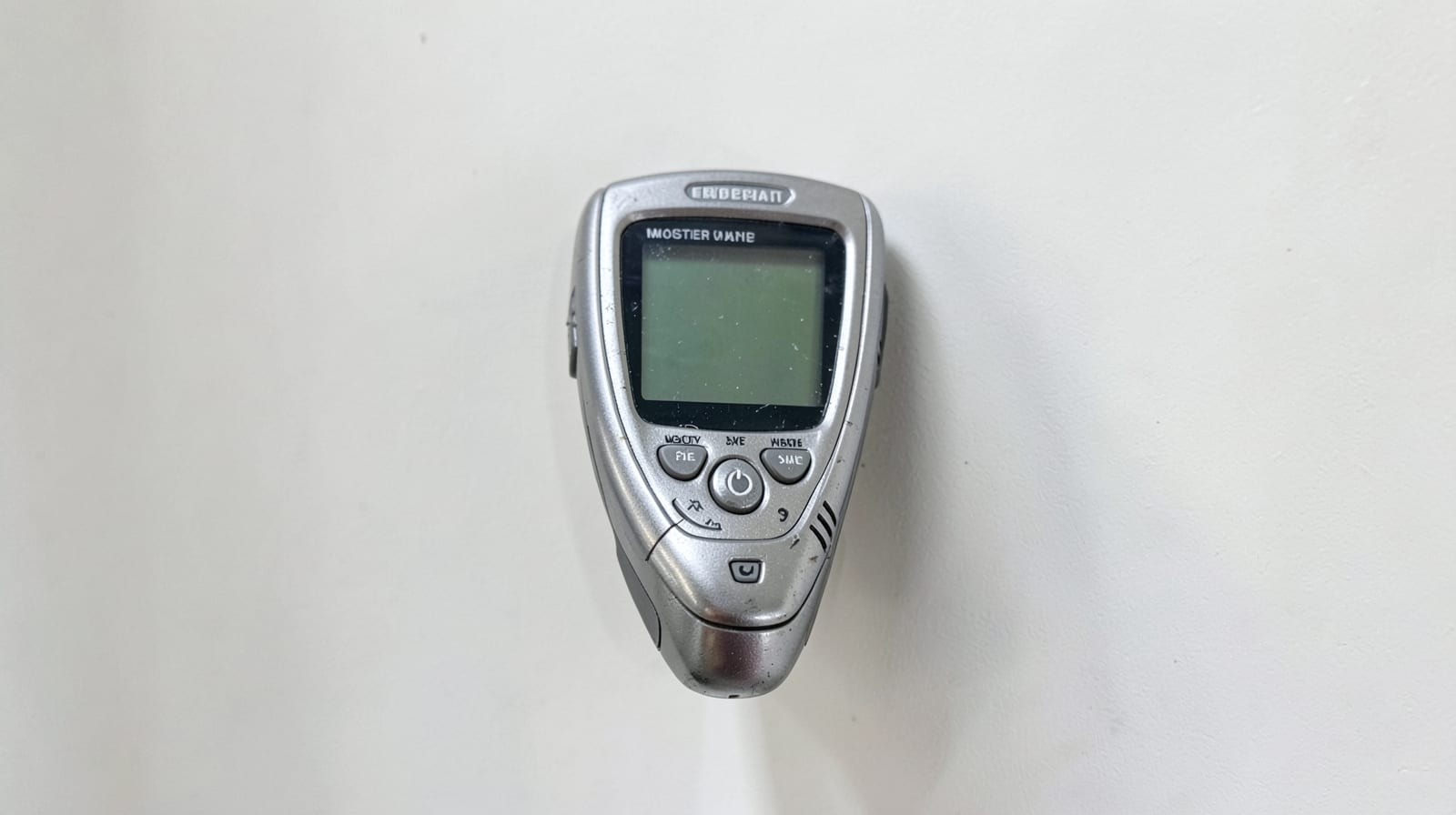
Crawl Space & Basement Mold Remediation in Belleair Bluffs, FL
Crawl space and basement mold remediation in Belleair Bluffs, FL addresses the two areas of a property most prone to trapped, unnoticed moisture.
Learn More
Attic Mold Remediation in Belleair Bluffs, FL
Attic mold remediation in Belleair Bluffs, FL addresses roof-deck growth typically caused by poor ventilation or a hidden roof leak.
Learn More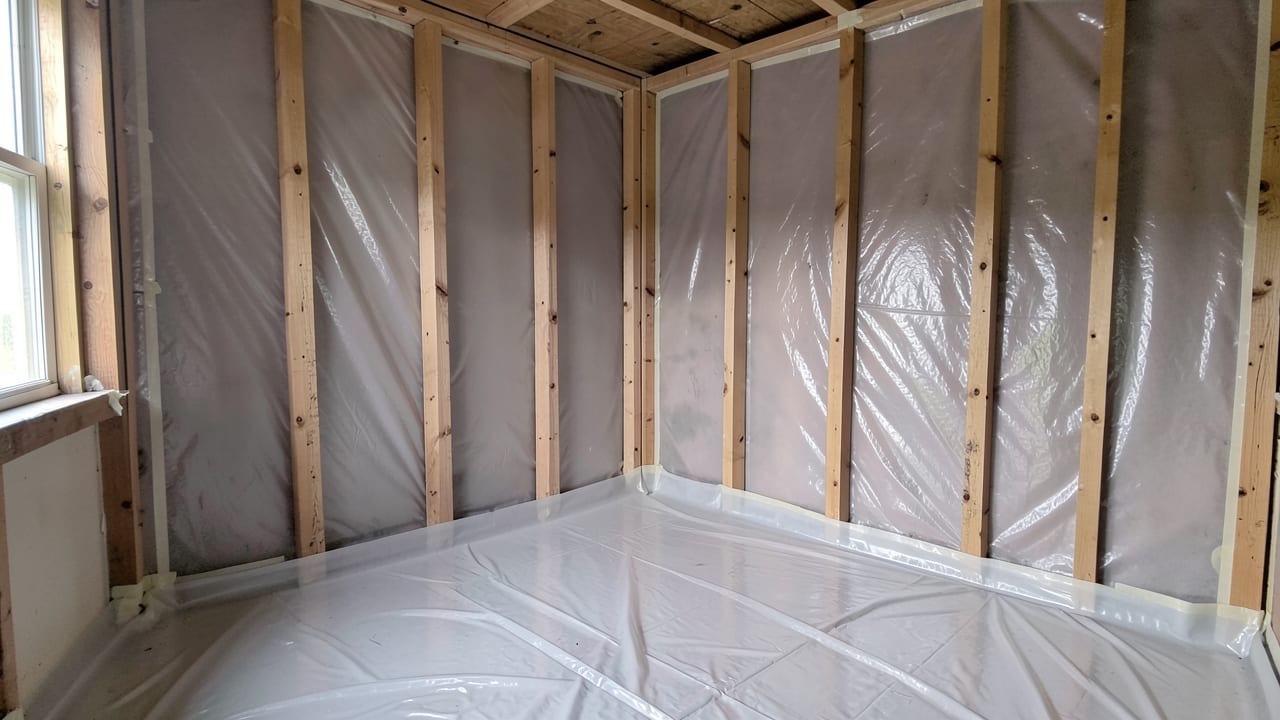
Commercial Mold Remediation in Belleair Bluffs, FL
Commercial mold inspection and remediation in Belleair Bluffs, FL for offices, retail space, and multi-unit properties, scheduled around business operations.
Learn More
Mold Prevention & Moisture Control in Belleair Bluffs, FL
Mold prevention and moisture control in Belleair Bluffs, FL — addressing ventilation, humidity, and drainage before growth starts, not after.
Learn More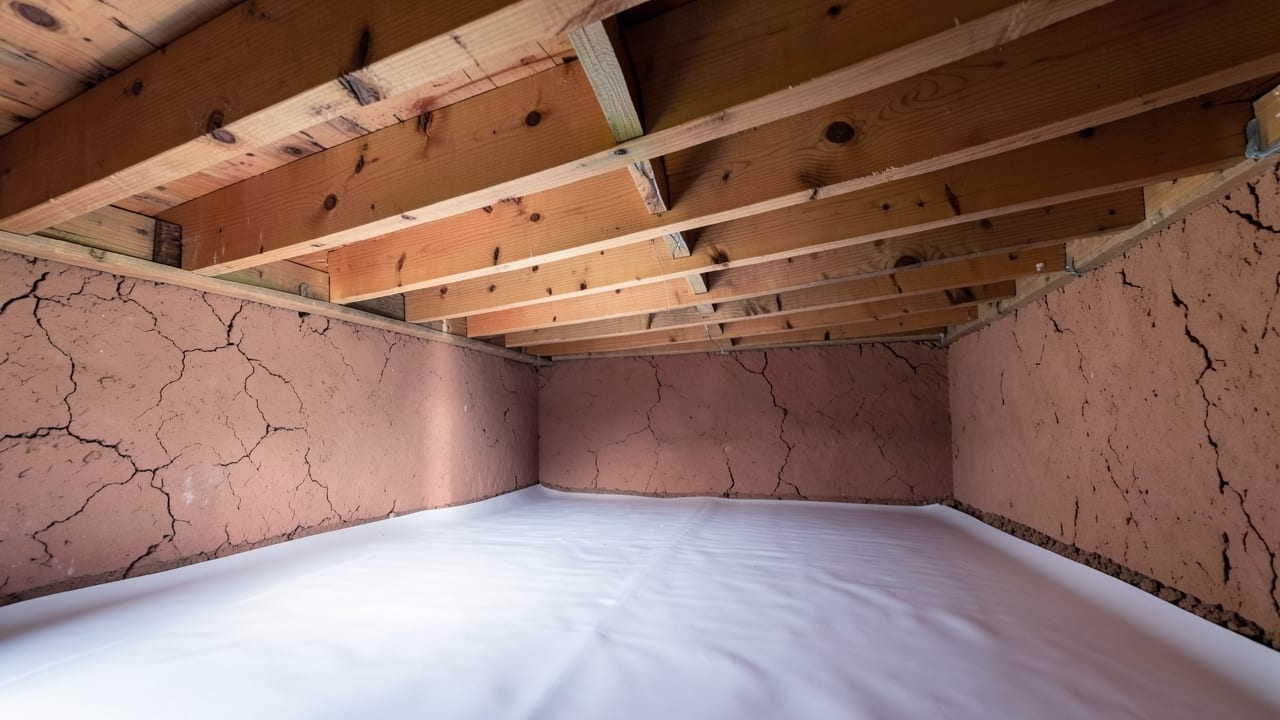
Mold & Asbestos Testing in Belleair Bluffs, FL
Combined mold and asbestos testing in Belleair Bluffs, FL — one inspection visit, lab-verified results for both.
Learn More
HVAC Mold Remediation in Belleair Bluffs, FL
HVAC and ductwork mold remediation in Belleair Bluffs, FL — mold growing inside the air handler or duct system, spreading through every vent.
Learn MoreCommon Questions About Mold Remediation in Belleair Bluffs
Everything you need to know about mold remediation services in Belleair Bluffs
How much does Spring Mold Inspection typically cost in Belleair Bluffs, FL?
Why does Belleair Bluffs, FL's humidity make mold a bigger risk than in drier regions?
Is it safe to stay in the home during mold remediation?
Can small mold problems be handled without hiring anyone?
What's the actual difference between mold removal and mold remediation?
Is a final clearance test part of a typical mold remediation job?
Need Mold Remediation in Belleair Bluffs?
Connect with local providers in Belleair Bluffs for a detailed quote.
⏰ We answer your call • Serving all of Belleair Bluffs and surrounding areas