Why Immediate Mold Remediation is Critical for Belleair Bluffs Families
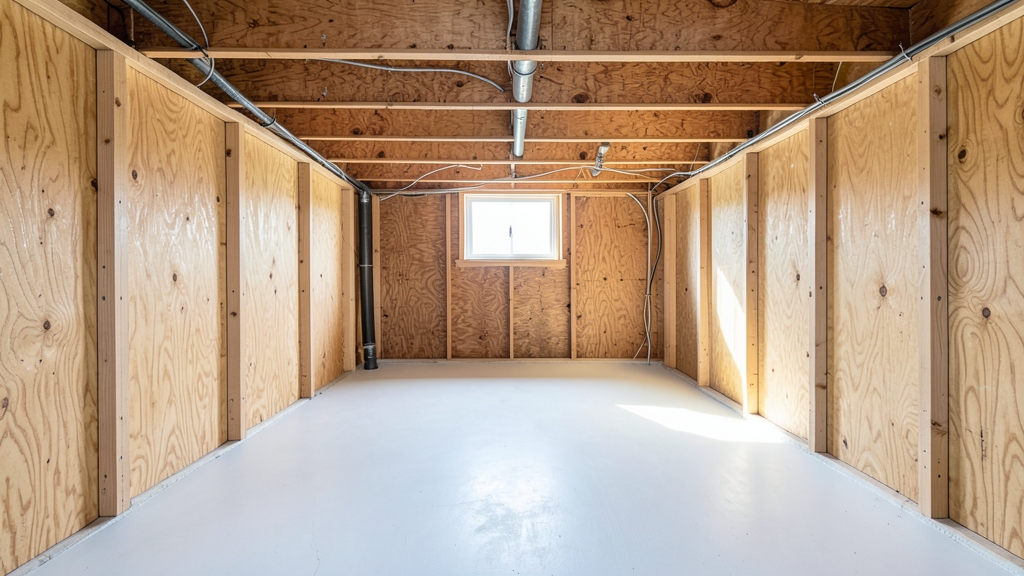
Mold doesn’t wait—and neither should you. In our humid Florida climate, unseen mold can spread within 48 hours, compromising your home’s structure and your family’s health. We’ve seen firsthand how quick action prevents costly damage and long-term exposure risks in Belleair Bluffs and surrounding areas like Largo and Clearwater.
The Hidden Threat of Mold in Coastal Florida Homes
Florida’s warmth and humidity create the perfect breeding ground for mold. Even minor water intrusion from a leaky pipe or storm damage can trigger growth in walls, attics, or crawl spaces.
Unlike dry climates, our coastal air holds moisture longer, accelerating mold colonization. Homes in Belleair Bluffs, Belleair, and Belleair Beach are especially vulnerable due to proximity to the Gulf and frequent summer storms.
Health Risks That Demand Urgent Action
Mold exposure isn’t just unsightly—it can trigger allergies, respiratory issues, and even neurological symptoms from mycotoxins in certain species like Stachybotrys (black mold).
Children, the elderly, and those with compromised immune systems are at higher risk. Persistent coughing, headaches, or skin irritation often signal an hidden mold problem requiring professional mold inspection and testing.
Mold can begin growing within 24–48 hours after water exposure. If you’ve had flooding, leaks, or high humidity, request a quote for mold testing immediately.
Structural Damage: Mold’s Silent War on Your Home
Mold doesn’t just stay on surfaces—it degrades drywall, wood framing, and insulation over time. Left unchecked, it can compromise your home’s integrity, leading to costly repairs beyond simple mold removal.
In crawl spaces and basements, mold thrives in dark, damp conditions, often going undetected until damage is severe. That’s why moisture control and regular inspections are critical in our region.
How Mold Spreads: The Science Behind the Growth
Mold reproduces via microscopic spores, which float through the air and settle on moist surfaces. Once established, colonies release more spores, creating a cycle that’s hard to break without professional remediation.
Porous materials like drywall and carpet absorb spores deeply, making DIY cleaning ineffective. Non-porous surfaces can be cleaned, but hidden mold in HVAC systems or behind walls requires expert intervention.
| Timeframe | Mold Development Stage | Visible Signs |
|---|---|---|
| 0–24 hours | Spores settle on moist surfaces | None |
| 24–48 hours | Germination begins | Possible musty odor |
| 3–5 days | Colonies form | Discoloration on surfaces |
| 1+ week | Rapid spread | Visible mold, structural damage |
Signs You Need Professional Mold Remediation
Musty odors are a red flag—even if you can’t see mold. Other signs include water stains, peeling paint, or warped flooring, which often indicate moisture issues fueling mold growth.
Unexplained health symptoms or worsening allergies can also point to hidden mold. In these cases, air quality testing and thermal imaging help our team locate the source without unnecessary demolition.
When to Call a Mold Remediation Expert
- Persistent musty smells in any room
- Visible mold growth (even small patches)
- Recent water damage or flooding
- Unexplained health issues among household members
- High humidity levels (above 60%) indoors
Why DIY Mold Removal Often Fails
Bleach and household cleaners may remove surface mold, but they don’t address spores deep in materials or the root moisture problem. Without proper containment, DIY efforts can even spread spores to previously clean areas.
Professional remediation uses HEPA filtration, antimicrobial treatments, and moisture mapping to ensure mold is fully eradicated. We also provide mold prevention strategies to keep your home safe long-term.
After remediation, control humidity with dehumidifiers and ensure proper ventilation in attics, crawl spaces, and bathrooms to deter regrowth.
The Mold Remediation Process: What to Expect
Our team starts with a thorough mold inspection and testing to identify the species and extent of the infestation. This includes air quality testing and moisture readings to pinpoint hidden problems.
Containment barriers and negative air pressure prevent spores from spreading during removal. We then use specialized equipment to safely extract mold from porous and non-porous materials, followed by antimicrobial treatments.
Local Conditions That Worsen Mold Risks in Belleair Bluffs
Proximity to the Gulf means higher humidity and salt air, which can corrode materials and create moisture pockets. Older homes in Belleair Bluffs may also have outdated ventilation, trapping moisture inside.
Seasonal storms and flooding in Pinellas County increase the likelihood of water intrusion. Regular mold inspections, especially after heavy rains, are a smart precaution for homeowners in the area.
How to Reduce Mold Risk in Your Home
Proactive steps can minimize the need for extensive mold remediation.
- 1Control Humidity
Use dehumidifiers to keep indoor humidity below 60%. Focus on bathrooms, kitchens, and basements where moisture accumulates.
- 2Fix Leaks Promptly
Inspect pipes, roofs, and windows regularly. Even small leaks can lead to mold if left unaddressed.
- 3Improve Ventilation
Ensure attics, crawl spaces, and laundry rooms are properly ventilated. Exhaust fans in bathrooms and kitchens help expel moist air.
- 4Use Mold-Resistant Products
Opt for mold-resistant drywall, paint, and insulation in high-moisture areas like basements and bathrooms.
- 5Schedule Regular Inspections
Annual mold inspections, especially in humid climates like Belleair Bluffs, can catch issues early before they escalate.
Frequently Asked Questions
How quickly can mold grow in a Belleair Bluffs home after water damage?
Mold can begin germinating within 24–48 hours of water exposure, especially in our humid climate, with visible growth often appearing within 3–5 days.
Is black mold more dangerous than other types?
Black mold (Stachybotrys) can produce mycotoxins, which may cause more severe health reactions than common molds. However, all mold should be treated seriously, as even non-toxic species can trigger allergies and structural damage.
Can mold return after professional remediation?
Yes, if the underlying moisture issue isn’t resolved. That’s why our process includes moisture control recommendations and follow-up testing to ensure your home stays mold-free.
Do I need mold testing if I can already see mold?
Yes. Testing identifies the mold species and checks for hidden colonies in areas like HVAC systems or behind walls. This ensures our remediation plan targets all affected areas, not just what’s visible.
What’s the difference between mold removal and mold remediation?
Mold removal refers to eliminating visible mold, while remediation addresses the root cause (like moisture) and prevents regrowth. Our team provides full remediation, including containment, cleanup, and prevention strategies.
Are there specific areas in my home more prone to mold?
Attics, crawl spaces, basements, and bathrooms are high-risk due to poor ventilation and moisture buildup. In Belleair Bluffs, coastal humidity also makes garages and exterior walls vulnerable if not properly sealed.