Mold and Your Health: Prevention Tips for Belleair Bluffs Families
Mold isn’t just an eyesore—it’s a silent threat to your family’s health, especially in our humid Florida climate. Left unchecked, it spreads behind walls, under floors, and in attics, releasing spores that trigger allergies, respiratory issues, and worse. We’ve seen firsthand how proactive prevention saves Belleair Bluffs homes from costly remediation and health scares.
Why Mold Thrives in Our Coastal Climate
Belleair Bluffs’ warm, humid air is a breeding ground for mold. With average humidity levels hovering above 70% for much of the year, spores find plenty of moisture to grow on organic surfaces like wood, drywall, and insulation.
Add frequent rain, poor drainage, or even AC condensation, and you’ve got the perfect storm. Neighboring areas like Clearwater and Largo face the same challenges, which is why moisture control isn’t optional—it’s essential.
Health Risks You Can’t Ignore
Mold exposure doesn’t always cause symptoms, but for sensitive individuals, it can lead to chronic coughing, sneezing, and skin irritation. Prolonged exposure may worsen asthma or trigger severe reactions in immunocompromised family members.
Black mold (Stachybotrys) gets the most attention, but even common molds like Aspergillus or Penicillium can produce mycotoxins. Children and the elderly are especially vulnerable in tightly sealed homes.
If anyone in your home experiences unexplained headaches, fatigue, or respiratory issues, schedule a mold inspection immediately. These symptoms often improve once the source is removed.
The Most Common Mold Hotspots in Your Home
Attics are prime targets due to poor ventilation and roof leaks. Without proper airflow, trapped heat and moisture create an ideal environment for mold colonies to flourish on sheathing and rafters.
Crawl spaces in Belleair Bluffs homes often lack vapor barriers, allowing ground moisture to seep in. Basements—though less common here—can also harbor mold if not properly sealed.
Bathrooms, kitchens, and laundry rooms are obvious culprits, but don’t overlook hidden areas like behind baseboards, under sinks, or inside HVAC ductwork.
Mold vs. Mildew: Know the Difference
Both thrive in damp conditions, but mildew is a surface-level fungus that’s easier to clean. It appears as a white or gray powdery substance, often on shower walls or window sills.
Mold, on the other hand, penetrates materials like drywall and wood. It can be black, green, or even pink, and often has a musty odor. Unlike mildew, mold requires professional remediation if it covers more than 10 square feet.
| Feature | Mold | Mildew |
|---|---|---|
| Appearance | Fuzzy or slimy; black, green, red, or blue | Powdery or downy; white, gray, or yellow |
| Growth Depth | Penetrates surfaces | Stays on surface |
| Health Impact | Can cause serious respiratory issues | Mild irritation, less harmful |
| Removal | Often requires professional remediation | Can be cleaned with bleach or vinegar |
| Common Locations | Walls, ceilings, attics, crawl spaces | Bathroom tiles, shower curtains, windows |
Prevention Starts with Moisture Control
The golden rule: no moisture, no mold. Start by fixing leaks in roofs, pipes, or windows immediately. Even small drips can lead to big problems over time in our humid climate.
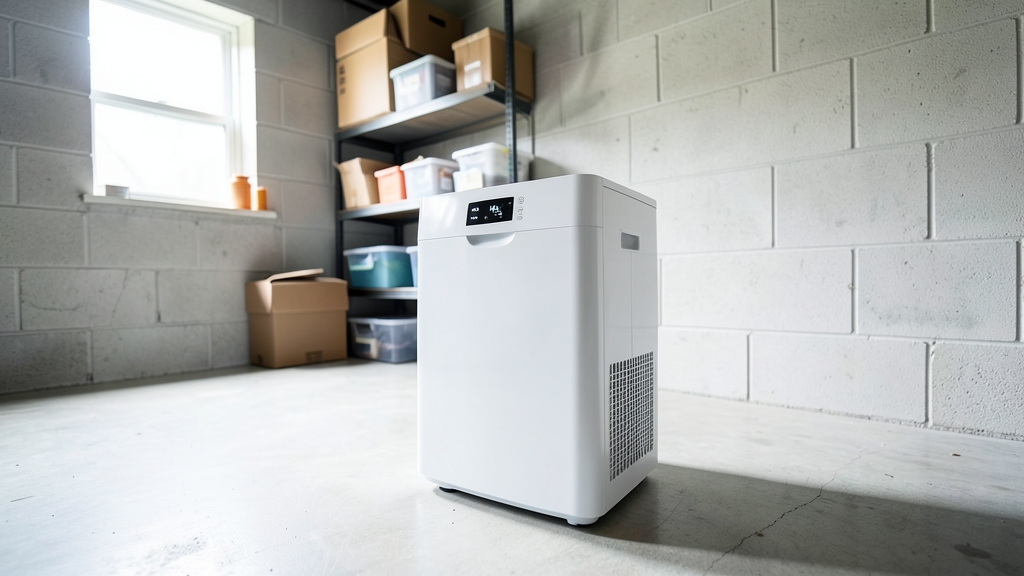
Use dehumidifiers in basements, crawl spaces, and other damp areas, aiming to keep indoor humidity below 60%. In Belleair Bluffs, whole-home dehumidifiers are a smart investment for larger properties.
Ensure proper ventilation in high-moisture areas. Exhaust fans in bathrooms and kitchens should vent outside, not into attics. Regularly clean and inspect your HVAC system, as it can distribute spores throughout your home.
Daily Moisture Control Habits
- Wipe down shower walls and curtains after use
- Use a squeegee on bathroom tiles to remove excess water
- Run the bathroom exhaust fan for at least 20 minutes after showering
- Empty and clean dehumidifier tanks regularly
- Check under sinks for leaks or condensation weekly
Attic and Crawl Space Specifics for Local Homes
In Belleair Bluffs, attics often suffer from poor insulation and ventilation. Ridge vents, soffit vents, and attic fans can help, but they must be properly balanced to avoid trapping moisture.
Crawl spaces need a vapor barrier—a heavy-duty plastic sheeting that blocks ground moisture. We also recommend encapsulation for a more permanent solution, especially in older homes near Belleair Beach or Clearwater.
Both areas benefit from regular inspections. Look for water stains, musty odors, or signs of pest activity, which can introduce additional moisture.
Install a hygrometer in your attic and crawl space to monitor humidity levels. If readings consistently exceed 60%, it’s time to improve ventilation or add a dehumidifier.
When to Call in the Pros
DIY mold cleanup is only advisable for small, surface-level issues (under 10 square feet). For larger infestations, hidden mold, or mold in HVAC systems, professional remediation is non-negotiable.
Our team uses HEPA filtration, containment barriers, and antimicrobial treatments to safely remove mold and prevent recurrence. We also address the root cause—whether it’s a leak, poor ventilation, or high humidity—to keep your home healthy.
If you’re buying or selling a home in Belleair Bluffs, Largo, or Clearwater, a professional mold inspection can uncover hidden issues that might derail a sale or put your family at risk.
Long-Term Strategies for a Mold-Free Home
Prevention is an ongoing process. Schedule annual HVAC maintenance to ensure your system isn’t circulating spores. Replace filters every 1-3 months, using high-quality pleated filters rated MERV 8 or higher.
Consider a smart home moisture monitor that alerts you to spikes in humidity. These devices are especially useful in vacation homes or rental properties in Belleair or Belleair Beach, where issues can go unnoticed.
Finally, educate your family. Teach everyone to report leaks, musty smells, or visible mold immediately. The sooner you catch it, the easier—and cheaper—it is to resolve.
How to Inspect Your Home for Mold
A thorough inspection can help you catch mold early before it becomes a health hazard or structural issue.
- 1Gather Your Tools
Grab a flashlight, moisture meter (if available), and a notepad. Wear a mask and gloves for protection, especially if you suspect black mold.
- 2Check for Visible Signs
Look for discoloration, water stains, or fuzzy growth on walls, ceilings, and floors. Pay special attention to corners, baseboards, and around windows.
- 3Follow Your Nose
Mold often has a musty, earthy odor. If you smell it but can’t see it, check hidden areas like behind furniture, under carpets, or inside closets.
- 4Inspect High-Risk Areas
Focus on bathrooms, kitchens, laundry rooms, attics, and crawl spaces. Use your moisture meter to detect elevated humidity levels in walls or floors.
- 5Look for Water Damage
Check for peeling paint, warped wood, or bubbling wallpaper—all signs of past or current moisture issues. Don’t forget to examine under sinks and around appliances.
- 6Document and Act
Note the location and extent of any mold or moisture issues. If the affected area is larger than 10 square feet, contact a professional for remediation.
Frequently Asked Questions
How can I tell if my family’s allergies are caused by mold?
Mold-related allergies often worsen indoors and improve when you’re outside. Common symptoms include sneezing, itchy eyes, and skin rashes. If symptoms persist, a mold inspection and air quality test can confirm the presence of spores. Many Belleair Bluffs families see relief after remediation.
Is black mold really more dangerous than other types?
Black mold (Stachybotrys) can produce mycotoxins that are harmful with prolonged exposure, but not all black mold is toxic. The color alone doesn’t determine toxicity—lab testing is the only way to know for sure. That said, any mold in your home should be addressed promptly.
Can mold grow in my HVAC system?
Absolutely. Mold thrives in dark, damp environments, and HVAC ducts provide the perfect conditions. If you notice a musty smell when the system runs, or if family members experience symptoms only at home, have your ducts inspected and cleaned by a professional.
How can you prevent mold in a vacation home in Belleair Bluffs?
Vacation homes are especially vulnerable due to periodic vacancy. Use a smart dehumidifier with remote monitoring, and ask a neighbor or property manager to check for leaks or humidity spikes regularly. Consider a whole-home ventilation system to keep air circulating.
Does homeowners insurance cover mold remediation?
Coverage varies widely. Most policies cover mold damage if it’s the result of a sudden, accidental event (like a burst pipe), but not if it’s due to long-term neglect or high humidity. Review your policy and consider adding a mold endorsement if you’re in a high-risk area like Pinellas County.
How often should I test my home for mold?
For most homes, an annual mold inspection and air quality test is sufficient. However, if you’ve had water damage, notice musty odors, or someone in your household has unexplained health issues, test immediately. Homes in flood-prone areas or near the coast may need more frequent checks.